Book Binding: A Quirky Font for Creative Projects
There I was, staring at a blank brand board, trying to figure out how to make a small café feel both cozy and modern. The client wanted something that felt approachable but still had a bit of personality. That’s when I reached for Book Binding, a fun and quirky decorative font that just might be the perfect fit.
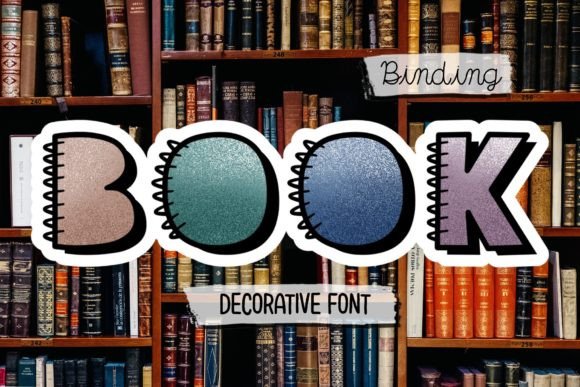
Book Binding has a playful yet refined look. It’s got those little flourishes and irregular strokes that give it a handcrafted feel. It’s not too serious, which makes it great for brands that want to stand out without being over the top. The font feels like it was drawn with a pen and some imagination, making it ideal for logos, packaging, and social media graphics.
I started by testing it on a logo draft. The first thing I noticed was how it added a sense of whimsy without being distracting. It worked well as a headline font, drawing attention while still keeping things readable. I tried it on a few different color schemes, and it adapted nicely—whether paired with bold colors or muted tones, it maintained its character.
One of the first real-world applications I thought of was the café’s signage. I sketched out a sign with the café name in Book Binding and saw how it could bring a sense of charm to the storefront. It wasn’t too big or too small, and the curves gave it a friendly, inviting vibe. I imagined customers walking by and feeling curious about what was inside.
For the packaging design, I used Book Binding on the product labels. It looked great on coffee bags and takeout containers, adding a personal touch that made the products feel more handmade. The font’s unique style helped differentiate the café from others in the area, giving it a distinct identity that stood out on the shelf.
Social media was another area where Book Binding really shone. I created a few Instagram posts using the font for headlines and captions. It gave the content a cohesive look that felt fresh and engaging. The font’s personality helped convey the café’s brand story without needing too much explanation.
When working on the website header, I used Book Binding for the main title. It was bold and eye-catching, setting the tone for the entire site. I paired it with a simple sans serif font for the body text, which helped balance the design and improve readability. The contrast between the two fonts made the site feel more dynamic and professional.
Book Binding works best as a display or headline font. It’s not meant for long blocks of text, but as an accent or supporting typeface, it adds visual interest and helps create a strong brand presence. It’s especially useful in short-form text like logos, headings, and social media posts.
One thing I always recommend is testing a font before committing to it in a full brand system. I created a few mockups with Book Binding and showed them to the client. They loved how it brought a sense of creativity and uniqueness to the project. It wasn’t just about the font itself—it was about how it fit into the overall design and messaging.
When pairing Book Binding with other fonts, I found that a clean serif or sans serif font worked best. It helped balance the decorative elements of Book Binding without overwhelming the design. I also experimented with a script font for some of the smaller text elements, which added a nice touch of elegance.
It’s also worth checking the font’s features. Book Binding includes multiple weights and alternates, which gives more flexibility in design. The ligatures and special characters add a level of detail that can elevate the overall look of a project. Plus, having multilingual support means it can be used in a variety of markets and contexts.
For commercial use, I made sure to check the licensing terms. Book Binding is available in various file formats, making it easy to integrate into different design workflows. Whether it’s for print or digital projects, the font is versatile and reliable.
Overall, Book Binding is a great choice for designers looking to add a touch of personality to their work. It’s not just a font—it’s a tool that can help bring a brand’s story to life in a creative and memorable way. From logos to packaging, social media to web design, it has a wide range of applications that make it a valuable addition to any designer’s toolkit.
If you’re working on a branding project that needs a bit of flair, consider giving Book Binding a try. It might just be the perfect fit for your next creative endeavor.